

A clear budget is the single most practical tool you have when shopping for sports gifts. The role of budget in sports gift shopping goes beyond limiting what you spend. It shapes which gifts you choose, how meaningful they feel, and how stress-free the entire experience becomes. Whether you are picking out an end-of-season present for your child’s soccer teammate or organizing a team Secret Santa, knowing your spending range before you browse makes every decision easier. Youth sports participation costs can approach $1,000 per season, which means gift expenses need a plan of their own.
What is the role of budget in sports gift shopping?
Budgeting for sports gifts is the practice of setting a firm spending limit before you shop, then using that limit as a filter for every choice you make. Personal finance professionals call this “proactive expense planning,” and it applies just as naturally to gift-giving as it does to groceries or utilities.
The industry standard for youth sports team gift exchanges, including Secret Santa events, is $15 to $30 per gift. That range exists for a reason. It keeps participation open to every family on the team regardless of income, and it sets a shared expectation so no one feels pressured to overspend or embarrassed by a modest gift.
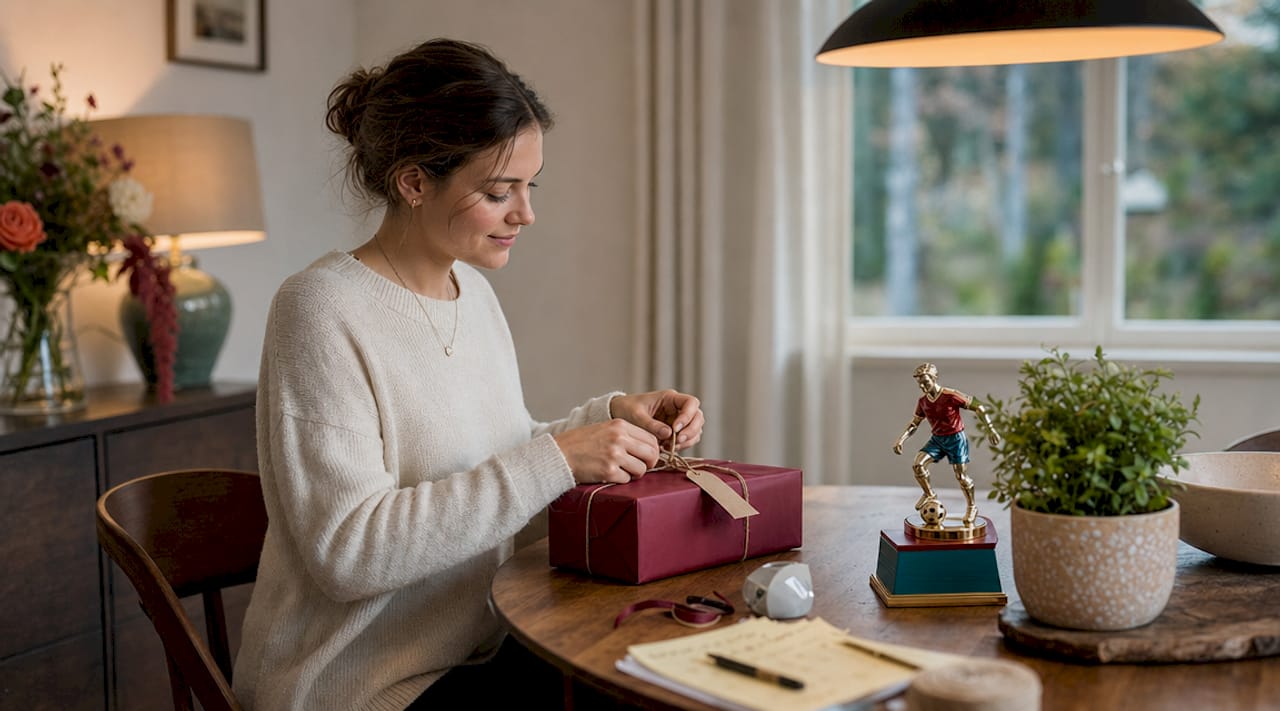
Several factors influence where your budget lands within or beyond that range. The occasion matters. An end-of-season team gift calls for a different number than a birthday present for your own child. Your relationship to the recipient matters too. A coach who gave your kid an unforgettable season deserves more thought and possibly more dollars than a teammate you have met twice. The number of gifts you are buying at once also shifts the math. Buying for one player is different from outfitting an entire roster.
Pro Tip: Set your per-gift number before you open a single browser tab. Writing it down makes it real and keeps impulse purchases from sneaking in.
Here is a quick reference for common sports gift budget ranges:
| Occasion | Suggested budget per gift | Notes |
|---|---|---|
| Team Secret Santa exchange | $15 to $30 | Keeps participation fair for all families |
| End-of-season team gift | $20 to $40 | Allows for personalization or bundling |
| Coach appreciation gift | $30 to $60 | Reflects the relationship and season impact |
| Individual athlete birthday | $25 to $50 | Depends on closeness to the recipient |
| Bulk team gifts (per unit) | $8 to $20 | Bulk pricing lowers individual cost significantly |
Bulk purchasing deserves special attention. Many sports-themed suppliers carry no minimum order requirements and offer automatic discounts when you order for a full roster. If you are a coach or team parent organizing gifts for 12 to 15 kids, that discount structure can stretch a modest per-player budget into something genuinely impressive.
How does a budget shape the type of sports gift you choose?
Your budget does not just tell you how much to spend. It tells you what kind of gift to look for. That distinction matters more than most shoppers realize.
When you work within a $15 to $30 range, you naturally gravitate toward practical, high-utility items. Affordable, high-utility gifts are often more meaningful than costly logo-branded goods because they show up in the athlete’s daily routine. A well-chosen insulated tumbler goes to every practice. A beanie gets worn through an entire cold-weather season. Resistance bands travel to every training session. These items carry the giver’s thoughtfulness into the athlete’s everyday life in a way that an expensive but generic branded jersey rarely does.
Here is what budget-conscious shoppers consistently find works best:
- Insulated tumblers and drinkware: Priced between $15 and $35, these are used daily and can be personalized affordably to recognize a specific player’s number, name, or milestone.
- Beanies and cold-weather accessories: Typically $10 to $25, practical for outdoor sports families who spend long hours on sidelines and fields.
- Resistance bands and training tools: Usually $8 to $20, these signal that you recognize the athlete’s commitment to improving their game.
- Collectible pins and sports-themed jewelry: Often under $20, these carry emotional weight because they celebrate team identity and personal pride.
- Gift bundles: Combining two or three small items, like a water bottle, a pin, and a pair of grip socks, creates a gift that feels generous without exceeding a $30 ceiling.
“A gift budget provides a filter for generosity that channels spending into thoughtful, targeted choices rather than indiscriminate purchases.” — Budget-Friendly Meaningful Sports Gifts
The emotional impact of a gift comes from recognizing dedication and milestones, not from the price tag. When you choose a gift that fits the athlete’s sport, acknowledges their effort, or celebrates a specific achievement, you create a memory. That is something a $200 generic gift card rarely accomplishes. Learning to choose gifts athletes love based on sport type and personal relevance is one of the most underrated shopping skills a sports parent can develop.
What strategies help you get the most from your sports gift budget?
Smart shopping strategies turn a modest budget into a gift that genuinely impresses. These are not complicated tactics. They are habits that experienced sports parents and team organizers use every season.
-
Shop seasonal sales with intention. Black Friday, Cyber Monday, and back-to-school sales offer the deepest discounts on sports gear and accessories. If your child’s end-of-season party lands in December, buying gifts in November saves you 20 to 40 percent on the same items.
-
Use price tracking tools. Browser extensions like Honey or CamelCamelCamel (for Amazon purchases) track price history and alert you when an item drops. This is especially useful for higher-ticket items like personalized drinkware or team apparel.
-
Bundle smaller items into gift sets. Bundling small gifts and timing purchases around sales are two of the most effective strategies for maximizing perceived value. A $28 bundle of a beanie, a collectible pin, and a sport-specific snack feels far more generous than a single $28 item in a plain box.
-
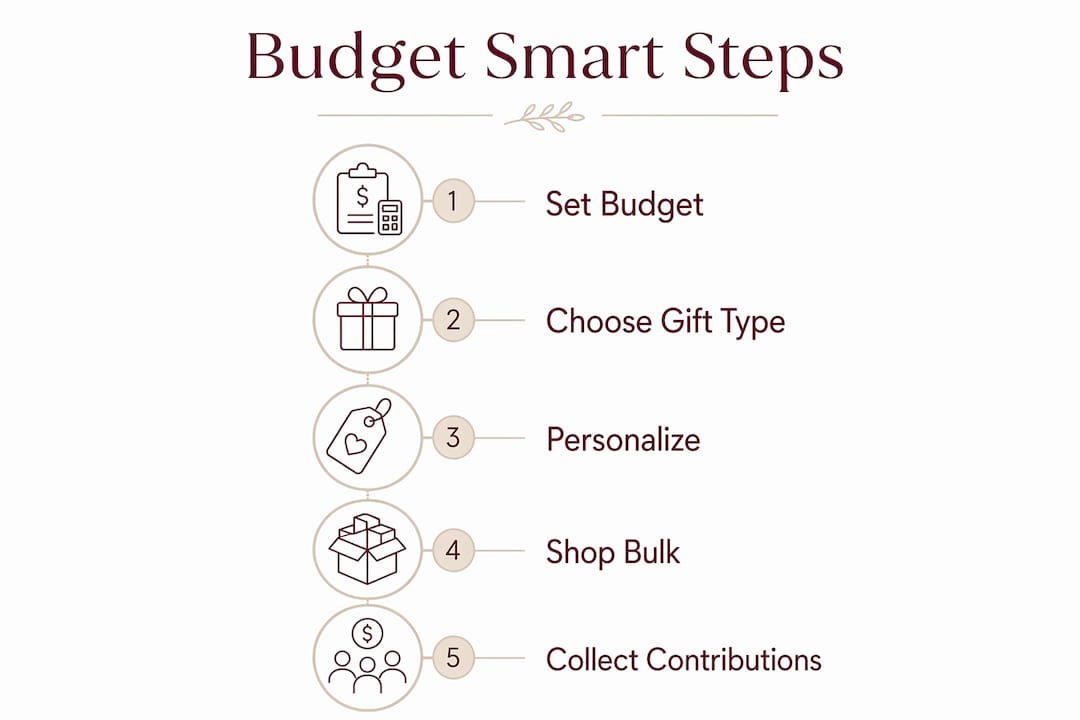
Order in bulk for team gifts. Suppliers with no minimum order policies and built-in bulk discounts make it possible to give every player on a 15-person roster a quality personalized item for the same total cost as buying individual gifts retail.
-
Treat gift spending as a household line item. Budgeting proactively for sports-related expenses, including gifts, prevents the financial scramble that hits families every December and every end-of-season party. Set aside $10 to $20 per month during the season and you will never feel blindsided.
Pro Tip: When organizing team gifts, collect contributions from parents before you order. Knowing the exact total in hand prevents the awkward shortfall that happens when you order first and collect later.
Personalization is one of the highest-leverage moves within a tight budget. Adding a player’s name, number, or team logo to an otherwise standard item costs very little extra but dramatically increases the emotional weight of the gift. Many online retailers, including Magnolia Wild SC, offer personalization on items that already fall within the $15 to $40 range.
What are the biggest myths about budgeting for sports gifts?
Several misconceptions keep shoppers from embracing a budget-first approach. Addressing them directly makes the whole process feel less restrictive and more freeing.
-
Myth: A cheaper gift is a less thoughtful gift. The reality is that thoughtfulness and relevance are what athletes and their families remember. A $20 personalized tumbler with a player’s name and number communicates more care than a $75 generic gift card. The emotional impact of a gift comes from recognizing the recipient’s specific journey, not from the dollar amount on the receipt.
-
Myth: Budgeting means settling for low quality. Strategic shopping, bulk pricing, and sale timing consistently deliver quality items at prices that fit a $15 to $30 range. Items like insulated tumblers, beanies, and resistance bands priced between $8 and $40 combine durability with daily utility. Quality and affordability are not opposites in the sports gift category.
-
Myth: Budgeting makes gift shopping more complicated. A firm budget actually simplifies every decision. Instead of scrolling through hundreds of options wondering what is appropriate, you filter immediately by price and then focus entirely on relevance and personalization. That is a faster, calmer shopping experience.
-
Myth: Team gift budgets create awkwardness. Communicating a clear spending range to team parents removes the guesswork and social anxiety that come with open-ended gift exchanges. When everyone knows the number is $20, no one feels judged for spending $20.
Budgeting for sports gifts is not about limiting generosity. It is about directing generosity where it lands with the most meaning.
Key takeaways
A firm budget is the most reliable tool for choosing sports gifts that feel meaningful, stay affordable, and reduce shopping stress for every family involved.
| Point | Details |
|---|---|
| Set a budget before browsing | The $15 to $30 range is the industry standard for team exchanges and prevents overspending. |
| Prioritize utility and personalization | Practical items like tumblers and beanies carry more daily impact than expensive generic branded goods. |
| Use bulk ordering and sales | No-minimum suppliers and seasonal sales significantly stretch a modest per-gift budget. |
| Bundle for perceived value | Combining two or three small items creates a gift that feels generous without exceeding your limit. |
| Plan gifts as a household expense | Treating sports gift spending as a dedicated line item prevents last-minute financial stress. |
Why I think budgeting is the most underrated gift-giving skill
I have watched sports parents tie themselves in knots every December and every end-of-season party, convinced that spending more is the only way to show they care. It is one of the most persistent and damaging myths in the sports parent community.
The truth I have come to after years of watching these exchanges play out is this: the gifts that get talked about, kept, and used are almost never the expensive ones. They are the ones that show someone paid attention. A tumbler with a player’s number. A beanie in the team’s colors. A pendant that matches the sport they love. These items cost $15 to $30 and they sit on desks, travel in bags, and get worn to practice for years.
What budgeting actually does is force you to be intentional. When you cannot spend your way to a good gift, you have to think your way there. That is a better outcome for everyone, including your bank account. I also believe that sharing a clear budget range with other team parents is one of the kindest things an organizer can do. It removes the social pressure that makes gift exchanges stressful and replaces it with a shared, fair standard.
If you are planning gifts for sports parents or athletes this season, start with the number. Everything else gets easier from there.
— Jennifer
Find meaningful sports gifts that fit your budget at Magnolia Wild SC
Magnolia Wild SC carries a curated selection of personalized and practical sports gifts designed to fit the budgets and values this article covers.
The personalized baseball zippered tote is a standout option for athletes who carry gear to every practice and game. It is practical, personal, and priced to fit comfortably within the $20 to $40 range that works for most team and individual gifting occasions. For coaches and team leaders, the custom team rocks glass delivers a personalized, memorable gift that honors the season without stretching your budget. Every item at Magnolia Wild SC is chosen with sports families in mind, so you can shop with confidence that quality and relevance come standard.
FAQ
What is the standard budget for youth sports team gift exchanges?
The industry standard for youth sports team Secret Santa or gift exchanges is $15 to $30 per gift. This range keeps participation accessible for all families and sets a fair, shared expectation.
What are the best affordable sports gift ideas under $30?
Budget-friendly sports gifts priced between $8 and $40 include insulated tumblers, beanies, resistance bands, collectible pins, and personalized accessories. Bundling two or three of these items creates a gift set that feels generous within a $30 ceiling.
Does budgeting reduce the quality or thoughtfulness of a sports gift?
No. A gift’s emotional impact comes from recognizing the athlete’s dedication and milestones, not from the price. Thoughtful, relevant gifts consistently outperform expensive but generic ones in how they are received and remembered.
How can I save money when buying sports gifts for a whole team?
Order from suppliers with no minimum order requirements and built-in bulk discounts, and time your purchases around Black Friday or Cyber Monday sales. Collecting parent contributions before ordering also prevents budget shortfalls.
Should sports gift spending be part of a household budget?
Yes. Treating sports expenses including gifts as a dedicated household line item prevents last-minute overspending and reduces financial stress during busy sports seasons.
Recommended
- Sport Type Gift Relevance: Choose Gifts Athletes Love – Magnolia Wild SC
- How to Choose a Gift for Passionate Sports Parents – Magnolia Wild SC
- The Role of Personalized Drinkware Gifting for Sports Fans – Magnolia Wild SC
- Mini Travel Sports Game for Kids & Adults | Choose Your Style: Hockey, – Magnolia Wild SC