

Sport type gift relevance is defined as the degree to which a sports-themed gift matches the recipient’s actual sport, engagement level, and motivational orientation to produce meaningful emotional and practical impact. When you pick a gift that mirrors someone’s real athletic world, it lands differently than a generic sports item pulled from a shelf. Research on symbolic intent congruence confirms that gift preference is strongest when the giver’s intent aligns with the recipient’s well-being orientation, whether hedonic or eudaimonic. For gift shoppers navigating the importance of sports gifts, that alignment is the single most reliable predictor of whether a gift gets used, displayed, or forgotten.
How does sport type shape gift preferences and relevance?
The specific sport a person plays or follows shapes everything from the gear they need to the identity they carry on game day. A soccer parent loading up for a Saturday tournament has completely different practical needs than a hockey player heading to a 6 a.m. rink session. Getting this right is the foundation of choosing sports gifts that actually matter.
Team sports and individual sports create two distinct gifting contexts. In team sports like baseball, softball, soccer, and volleyball, fan identity and shared pride are central. Gifts that reflect team colors, position, or family role, such as a personalized baseball tote for cleats and snacks, carry strong social meaning because they signal belonging to a group. In individual sports like tennis, swimming, or track, gifts that support personal performance and skill development tend to resonate more deeply.
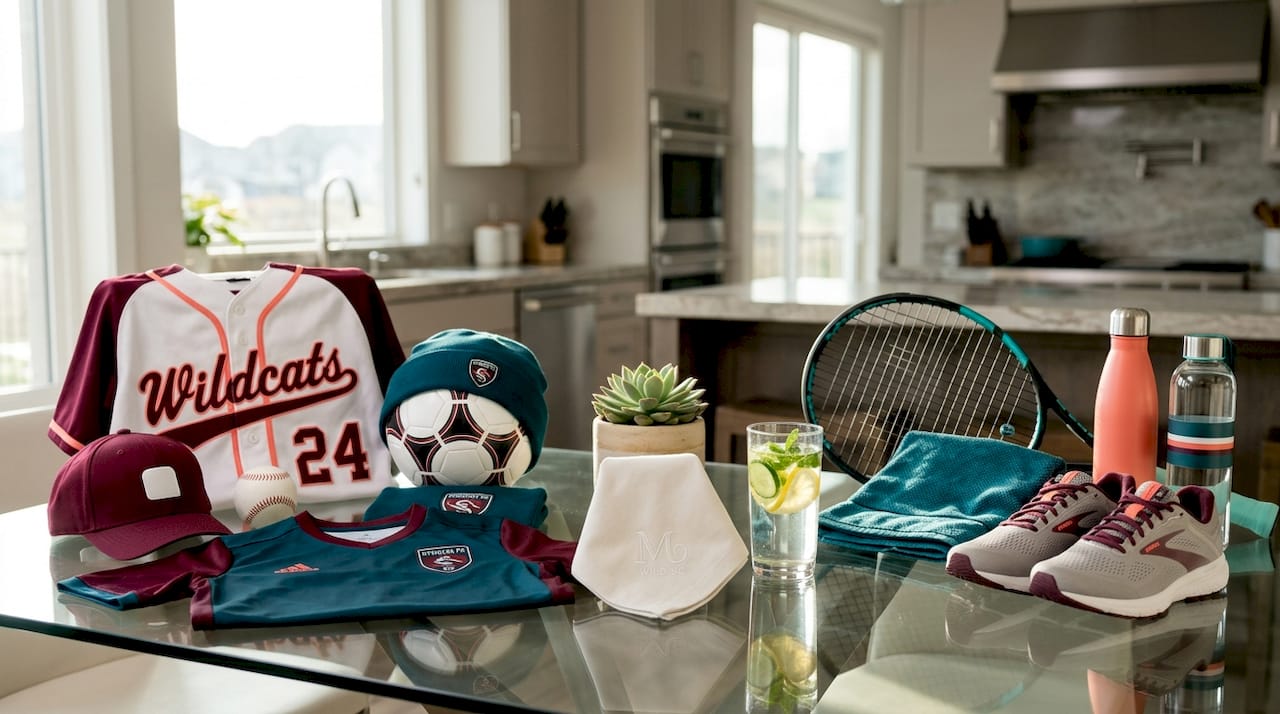
Operational fit matters just as much as branding. Perceived gift relevance depends less on sports branding and more on whether the recipient can actually use the gift within their sport context. A beautifully branded water bottle means little to a swimmer who never leaves the pool deck, but a personalized gear bag for a softball player who hauls equipment every weekend is used constantly. This is the pitfall most gift shoppers fall into: choosing what looks sporty over what actually serves the sport.
Sport culture also shapes what feels appropriate. Football families often gravitate toward bold, role-specific apparel. Soccer communities tend to favor practical gear with a personal touch. Understanding the culture around a specific sport helps you choose gifts that feel native to that world rather than imported from a generic sports store.
- Match the gift to the sport’s physical demands. A hockey player needs cold-weather gear. A baseball dad needs something durable for long weekends at the park.
- Consider the recipient’s role. Player, parent, coach, and fan each have different needs within the same sport.
- Prioritize usability over aesthetics. A gift that gets used every practice day creates more lasting impact than one that sits on a shelf.
- Reflect team or community identity. Personalized items that include a team name, player number, or family role carry extra emotional weight.
Pro Tip: Before you buy, ask yourself one question: “Will this person use this specific item at their next game or practice?” If the answer is yes, you have a relevant gift.
What role do motivational orientations play in sports gift relevance?
Understanding whether your recipient is driven by hedonic or eudaimonic motivations is the difference between a gift that delights in the moment and one that carries lasting meaning. These two orientations, drawn from well-being research, map directly onto the types of sports gifts that resonate most.
A hedonic orientation centers on fun, pleasure, and immediate enjoyment. Recipients with this orientation love gifts that make game day more exciting: fan gear, novelty apparel, personalized drinkware, or tickets to a live event. The joy is in the experience itself.
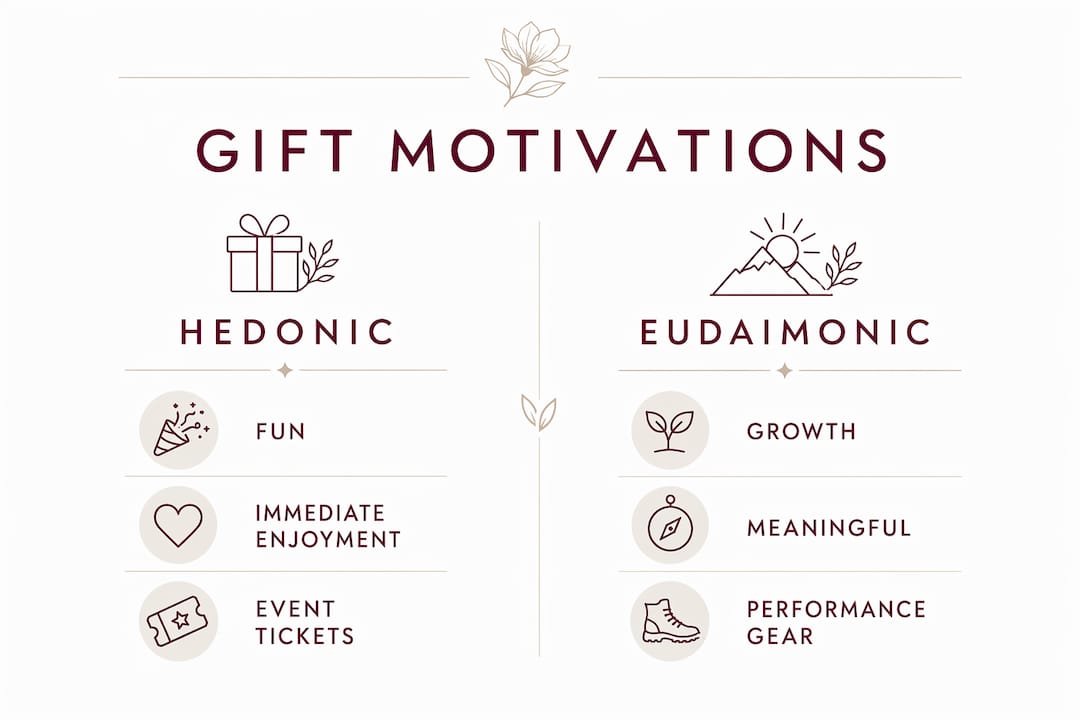
A eudaimonic orientation centers on growth, purpose, and meaningful contribution. Recipients here respond to gifts that support skill development, honor their dedication, or mark a milestone. Think training equipment, coaching sessions, or a personalized engraved pint glass that commemorates a season.
Research with 574 participants using PLS-SEM analysis found that gift preference is strongest when the giver’s symbolic intent matches the recipient’s motivational orientation. This means a fun novelty gift given to someone who values growth and legacy will underperform, even if it is high quality. The mismatch in orientation is what kills gift relevance.
| Orientation | Gift Examples | Best For |
|---|---|---|
| Hedonic | Fan apparel, event tickets, novelty drinkware | Fans who love the game day experience |
| Eudaimonic | Training gear, milestone keepsakes, skill courses | Athletes focused on growth and legacy |
| Mixed | Personalized team gear, role-specific totes | Recipients who blend fun and purpose |
Pro Tip: Pay attention to how the recipient talks about their sport. If they say “I love game days,” lean hedonic. If they say “I want to get better,” lean eudaimonic.
How does engagement stage affect the right sports gift?
Not every sports fan or athlete is in the same place in their relationship with their sport. The Wharton Mack Institute reports that sports organizations now track fan value across the entire fan experience, from home viewing and digital engagement to live attendance and active participation. That same framework applies directly to gift selection.
Matching a gift to the recipient’s current engagement stage reinforces where they are and deepens their connection to the sport. A gift that assumes a higher level of involvement than the recipient actually has can feel presumptuous or impractical. One that meets them exactly where they are feels thoughtful and personal.
Here are the three primary engagement stages and the gift types that work best for each:
-
At-home fan. This person watches games, follows their favorite team online, and cheers from the couch or the stands. The best gifts here are fan apparel, team-branded accessories, and personalized items that celebrate their loyalty. A soccer mom tote or a role-specific tee connects directly to their identity as a devoted supporter.
-
Active player or participant. This person is on the field, court, or ice regularly. Practical gifts that serve their actual sport needs score highest here. Gear bags, sport-specific accessories, and training tools all fit. The personalized softball canvas tote is a strong example because it serves a real game day function while carrying personal meaning.
-
Event attendee. This person’s peak sports experience happens at live games or tournaments. Gifts that enhance that experience, such as comfortable stadium gear, personalized fan accessories, or even event tickets, align perfectly with how they engage with the sport.
Research confirms that gifts aligned to fan engagement stages improve fan loyalty and emotional connection. When a gift reinforces the recipient’s current stage rather than pushing them toward one they have not reached, it feels like you truly see them.
What practical strategies help you choose relevant sports gifts?
Choosing a relevant sports gift does not require guesswork. It requires a short, honest assessment of four factors: the recipient’s specific sport, their motivational orientation, their engagement stage, and the practical usability of the gift itself.
Start with the sport and role. Write down the exact sport and the recipient’s role within it. Are they a player, a parent, a coach, or a fan? A football parent tee that names their child’s position carries far more meaning than a generic sports shirt. Specificity is what separates a memorable gift from a forgettable one.
Read the motivational cues. Listen to how the recipient talks about their sport. Phrases like “I love the atmosphere” or “game day is my favorite” signal hedonic orientation. Phrases like “I want to improve my game” or “this season really meant something” signal eudaimonic orientation. Matching your gift to those cues is the single most reliable way to increase its emotional impact.
Check operational fit before you buy. Research shows that gifting branded items without considering the recipient’s actual sport and use case leads to unused gifts. A soccer-specific zippered tote makes sense for a soccer parent who hauls gear every weekend. The same tote given to someone who only watches games from home misses the mark on practical relevance.
Use personalization to close the relevance gap. Personalized gifts consistently outperform generic ones because they signal that you paid attention. Adding a name, a team, a number, or a role transforms a standard product into a specific statement about who the recipient is. Magnoliawildsc’s catalog of customizable apparel and accessories is built around exactly this principle.
- Confirm the recipient’s exact sport before purchasing any sport-specific item.
- Identify one or two motivational cues from recent conversations or social posts.
- Choose gifts that serve a real function within the sport context.
- Add personalization wherever possible to increase emotional resonance.
- For institutional or workplace gifting, note that accepting sporting event tickets in official U.S. government settings requires prior approval and documented recording, a compliance consideration worth knowing if you are gifting in a professional context.
Pro Tip: Unconditional gifts, even modest ones, drive customer loyalty and gratitude regardless of monetary value. A small, perfectly relevant sports gift outperforms an expensive generic one every time.
Key takeaways
Sport type gift relevance requires matching the recipient’s specific sport, motivational orientation, and engagement stage to produce gifts that are both emotionally meaningful and practically used.
| Point | Details |
|---|---|
| Sport type defines usability | Match gifts to the recipient’s actual sport and role to avoid unused items. |
| Motivational orientation drives meaning | Align hedonic gifts to fun-seekers and eudaimonic gifts to growth-focused athletes. |
| Engagement stage shapes fit | At-home fans, active players, and event attendees each need different gift types. |
| Personalization closes the gap | Adding a name, team, or role transforms any sports gift into a personal statement. |
| Operational relevance beats branding | A gift the recipient uses every practice day outperforms a branded item they never touch. |
Why sport type gift relevance matters more than ever in 2026
I have watched the sports gifting space shift noticeably over the past few years, and the direction is clear: generic is losing. The families I see shopping for sports gifts are no longer satisfied with a jersey in the right team color. They want something that says, “I know exactly who you are in this sport and what it means to you.”
What surprises most people is how often the motivational orientation piece gets overlooked. Everyone focuses on the sport itself, which is a good start, but the real differentiator is understanding whether the recipient wants to celebrate the joy of the game or honor the work behind it. I have seen beautifully personalized gifts miss the mark completely because the giver chose a fun novelty item for someone who treats their sport as a serious personal pursuit.
The other shift I keep noticing is how much fan identity has deepened through digital and community engagement. Sports parents and fans are more invested in their specific sport communities than ever before. That investment means a gift that reflects their exact role, their child’s sport, and their family’s game day culture lands with real emotional weight. It is not just a gift anymore. It is recognition.
My honest advice: spend five minutes thinking about how the recipient talks about their sport before you spend a single dollar. That five minutes is worth more than any budget increase.
— Jennifer
Find the perfect sport-specific gift at Magnoliawildsc
Magnoliawildsc specializes in personalized sports gifts built around exactly the principles covered in this article: sport type, role, and real fan identity. Whether you are shopping for a soccer dad who lives for Saturday games or a baseball family that practically lives at the park, the catalog has options designed to match. The Soccer Dad Vintage Shield Tee is a strong example of role-specific, sport-specific gifting done right. For practical game day relevance, the personalized soccer tote combines usability with personal meaning in one gift. Every product can be customized with names, teams, and roles so your gift reflects the recipient’s actual sports world.
FAQ
What is sport type gift relevance?
Sport type gift relevance is the degree to which a sports-themed gift matches the recipient’s specific sport, role, and motivational orientation. Gifts with high relevance are more likely to be used, displayed, and emotionally valued.
How do I choose sports gifts for someone who plays multiple sports?
Focus on the sport the recipient is most actively engaged in right now, since current engagement stage is a stronger predictor of gift fit than past participation. Personalized items that name the specific sport or role add clarity and meaning.
Does gift price affect how relevant a sports gift feels?
Research shows that unconditional gifts drive loyalty regardless of monetary value, meaning a low-cost but highly relevant sports gift outperforms an expensive generic one. Relevance and personalization matter more than price.
What is the difference between hedonic and eudaimonic sports gifts?
Hedonic sports gifts target fun and immediate enjoyment, such as fan apparel or event tickets. Eudaimonic sports gifts target growth, purpose, and lasting meaning, such as training gear or milestone keepsakes. Matching the gift type to the recipient’s orientation produces stronger emotional impact.
How does fan engagement stage affect gift ideas for athletes and fans?
At-home fans respond best to fan apparel and personalized accessories. Active players benefit most from practical, sport-specific gear. Event attendees value gifts that enhance the live experience. Matching the gift to the recipient’s current stage, as noted by the Wharton Mack Institute, deepens loyalty and emotional connection.