

Personalization in gifting is the practice of tailoring a gift to reflect the recipient’s identity, values, or shared history, and it is the single most reliable way to turn an ordinary present into something genuinely meaningful. This concept, often called gift customization in consumer psychology research, goes far beyond printing a name on a mug. When done with real thought, it activates emotional responses that generic gifts simply cannot trigger. fMRI research confirms that personalized gifts activate brain regions tied to self-identity and self-referential processing, producing stronger emotional responses and lasting memory formation. The role of personalization in gift appeal is not a soft, feel-good idea. It is backed by neuroscience, market data, and the lived experience of anyone who has ever kept a gift for years because it felt like it was made just for them.
What psychological mechanisms explain why personalized gifts feel more meaningful?
The brain responds to personalized gifts differently than it does to generic ones. When a gift reflects something true about who you are, your medial prefrontal cortex activates. That is the region responsible for self-referential thinking, the mental process of connecting new information to your own identity. The result is a stronger emotional response and a more durable memory of the moment.

This is why the concept of felt understanding matters so much in gift giving. Personalization communicates felt understanding, signaling to the recipient that the giver truly knows them. That signal amplifies emotional processing in a way that no amount of expensive wrapping can replicate. When you open a gift that references your favorite team, a shared memory, or a personal milestone, your brain reads it as evidence of a real relationship.
Not all personalization delivers this effect equally, though. Here is where many gift givers go wrong:
- Name-only personalization often triggers skepticism rather than warmth. A monogrammed item from a brand the recipient has never heard of can feel like a marketing tactic, not a thoughtful gesture.
- Mismatched references feel forced. Personalizing a gift around an interest the recipient outgrew five years ago signals that the giver is not paying attention.
- Depth of knowledge matters. Shallow personalization may cause skepticism, while personalization that reflects genuine insight into the recipient’s life creates authentic emotional resonance.
- Well-being orientation alignment also shapes how a gift lands. Matching gift symbolism to hedonic or eudaimonic orientations improves both preference and emotional resonance. A pleasure-seeker responds best to fun, indulgent gifts. A meaning-seeker responds best to gifts tied to growth, purpose, or connection.
Pro Tip: Before you personalize anything, ask yourself one question: “Does this detail reflect something I genuinely know about this person, or am I just filling in a blank?” If it is the latter, skip the customization and write a personal note instead.
How do market trends and consumer behavior support the value of personalized gifts?
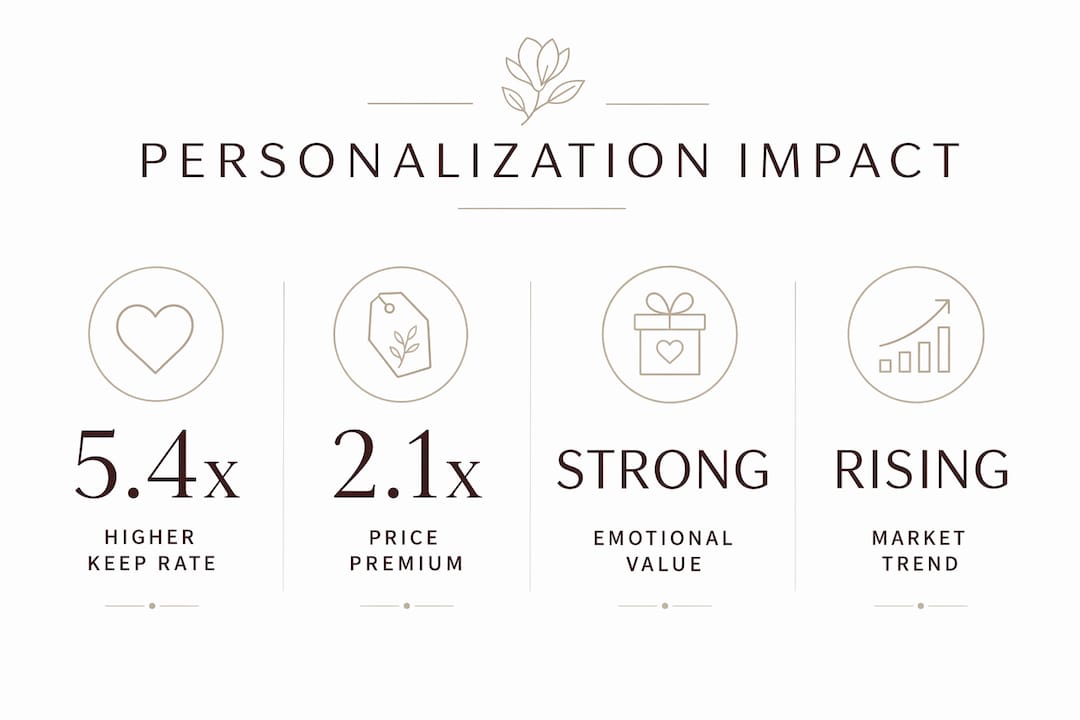
The emotional case for personalized gifts is strong. The economic case is equally compelling. According to the 2026 Buyer Intent Survey from Beyond Memories, personalized gifts command a 2.1x price premium over generic alternatives, and 73% of gift givers say paying that premium is worth it. That is not a niche preference. It reflects a broad cultural shift toward gifts that carry meaning rather than just monetary value.
The keep-rate data is even more telling. Personalized gifts have a 5.4x higher keep rate than generic gifts. People hold onto them longer because they represent something that cannot be replaced by a trip back to the store. A customized item tied to a specific person, team, or moment has no substitute.
| Metric | Personalized gifts | Generic gifts |
|---|---|---|
| Price premium accepted | 2.1x higher | Baseline |
| Keep rate | 5.4x higher | Baseline |
| Givers who say premium is worth it | 73% | Not applicable |
| Emotional retention over time | High, tied to identity | Low, fades quickly |
Technology is accelerating this trend. Online customization tools have made it easier than ever to add names, numbers, team logos, and personal messages to products that once came only in standard formats. Memorial gifts, sports keepsakes, and family milestone items are among the fastest-growing segments, with high repeat purchase rates because buyers experience the emotional payoff firsthand. E-customization participation enhances utilitarian, uniqueness, and self-expressiveness values, which directly increases repeat purchase intention. In plain terms: when people customize a gift and see how well it lands, they come back and do it again.
What are common misconceptions and pitfalls in personalization to avoid?
The biggest mistake gift givers make is assuming that any personalization is better than none. That assumption leads to rushed, surface-level customization that actually undermines the gift’s emotional impact.
Here are the most common pitfalls and how to sidestep them:
- Adding a name to a generic item does not equal thoughtfulness. A water bottle with someone’s name on it from a brand they do not care about communicates convenience, not care. The personalization has to connect to something real about the recipient.
- Over-personalization can feel intrusive. Referencing highly specific personal details in a gift from someone who is not a close friend can feel uncomfortable rather than warm. Match the depth of personalization to the depth of the relationship.
- Inaccurate details are worse than no personalization at all. Failures in personalization arise from inaccurate or forced references. A misspelled name, the wrong jersey number, or an outdated reference signals carelessness, which is the opposite of the intended message.
- A quality gift with a personal note often outperforms weak personalization. If you are not confident in the customization details, a well-chosen gift paired with a handwritten note that explains why you chose it will land better every time.
Pro Tip: Always verify the details before you finalize a personalized order. Double-check the spelling of names, confirm jersey numbers, and review dates. A two-minute check prevents a gift that creates an awkward moment instead of a meaningful one.
How does personalization enhance gift impact over time, especially during actual use?
The unwrapping moment gets a lot of attention, but it is not where the real relationship-building happens. Emotion intensity during actual gift use mediates relationship strengthening far more than the initial reaction. A gift that generates repeated emotional moments over weeks and months builds a stronger bond than one that produces a single impressive reveal.
This is where personalized gifts with practical utility have a clear advantage. Customization that improves habitual use creates more durable emotional value than purely decorative personalization. A personalized baseball tote that a player uses at every practice carries the giver’s thoughtfulness into dozens of future moments. A custom engraved glass used weekly at the dinner table becomes part of a routine. Each use is a small, quiet reminder of the relationship behind the gift.
| Gift type | Emotional peak | Ongoing emotional value | Relationship impact |
|---|---|---|---|
| Generic decorative gift | Unwrapping only | Low, fades quickly | Minimal after first week |
| Personalized decorative gift | Unwrapping, moderate | Low to moderate | Short-term |
| Personalized functional gift | Unwrapping, high | High, tied to daily use | Strong, sustained over time |
| Experiential personalized gift | During experience | Moderate to high | Strong, tied to shared memory |
Repeated emotional moments during gift consumption build relationships more reliably than impressive unwrapping moments. This is why sports parents who give a player a personalized bag, blanket, or piece of gear they actually use are making a smarter emotional investment than someone who gives a decorative keepsake that sits on a shelf. The gift that travels to every game carries the relationship with it.
How can gift givers strategically choose personalized gifts that truly resonate?
Choosing the right personalized gift is a skill, and it comes down to knowing your recipient well enough to make the customization feel inevitable rather than arbitrary. Here is a practical framework for getting it right:
-
Identify the recipient’s well-being orientation. Does this person seek pleasure and fun, or do they find meaning in growth, connection, and purpose? Gift selection aligned to psychological well-being orientations maximizes symbolic and emotional appeal. A sports-loving teenager who lives for game day wants something that celebrates that passion. A coach who values mentorship responds to something that honors their role and impact.
-
Choose personalization rooted in genuine shared history. Reference a specific season, a team name, a jersey number, or a milestone that only someone close to the recipient would know. The more specific the detail, the stronger the signal of felt understanding.
-
Prioritize utility over decoration. A personalized baseball tote that holds cleats, snacks, and gear gets used at every practice and every game. That daily use keeps the emotional connection alive in a way a decorative item cannot.
-
Match quality to the occasion. If you are uncertain about the personalization details, choose a premium generic gift over a low-quality personalized one. A well-made item with a heartfelt note outperforms a cheaply made item with a name printed on it.
-
Plan for timing. Delayed personalized gifts undermine the relational signal they are meant to send. Order early, confirm production timelines, and build in buffer time for shipping. A gift that arrives a week after the occasion loses most of its emotional impact.
-
Verify every detail before ordering. Names, numbers, dates, and team references all need to be confirmed. One wrong detail can shift the recipient’s experience from “they really know me” to “they didn’t bother to check.”
Pro Tip: Combine a high-quality personalized item with a short handwritten note explaining why you chose that specific customization. The note gives the gift its story, and the story is what people remember.
Key takeaways
Personalization works best when it reflects genuine knowledge of the recipient, serves a practical purpose, and is executed with accurate, meaningful details.
| Point | Details |
|---|---|
| Personalization activates self-identity | fMRI research shows personalized gifts trigger stronger emotional responses tied to self-referential brain regions. |
| Functional gifts outperform decorative ones | Gifts used daily create repeated emotional moments that build stronger, longer-lasting relationships. |
| 5.4x higher keep rate | Personalized gifts are retained far longer than generic alternatives, reflecting their deeper perceived value. |
| Accuracy prevents backfire | Inaccurate names, numbers, or references undermine thoughtfulness and create discomfort instead of connection. |
| Match personalization to recipient’s values | Aligning gifts to hedonic or eudaimonic orientations maximizes emotional resonance and gift satisfaction. |
What I’ve learned about personalization after years of watching gifts land and miss
I have seen a lot of gifts given with the best intentions that missed the mark completely. Not because the giver did not care, but because they confused the act of personalizing with the act of understanding. Those are not the same thing.
The gifts I have watched people treasure for years share a pattern. They are specific in a way that only someone paying attention could pull off. A hockey blanket with a player’s actual number and team colors. A whiskey glass engraved with a coach’s team logo and a play that mattered. A tote bag that fits exactly what a baseball mom carries to every single game. None of these are complicated. All of them communicate: I see you, and I chose this for you specifically.
What I have also noticed is that timing and presentation carry more weight than most people realize. A thoughtful gift given at the right moment, wrapped with care and accompanied by a genuine note, lands harder than an expensive gift handed over in a plastic bag. The emotional story around the gift matters as much as the gift itself.
My honest advice: resist the urge to personalize for the sake of personalizing. If you do not have a specific, accurate detail that genuinely reflects the recipient, skip the customization and invest that energy in a handwritten note instead. A custom engraved whiskey glass with the right team logo is a gift a coach keeps for years. The same glass with a generic message is just a glass.
— Jennifer
Find personalized sports gifts that actually mean something
If you are shopping for a player, a coach, or a sports parent who gives everything to the game, Magnolia Wild SC has personalized gifts built around the details that matter most to your team.
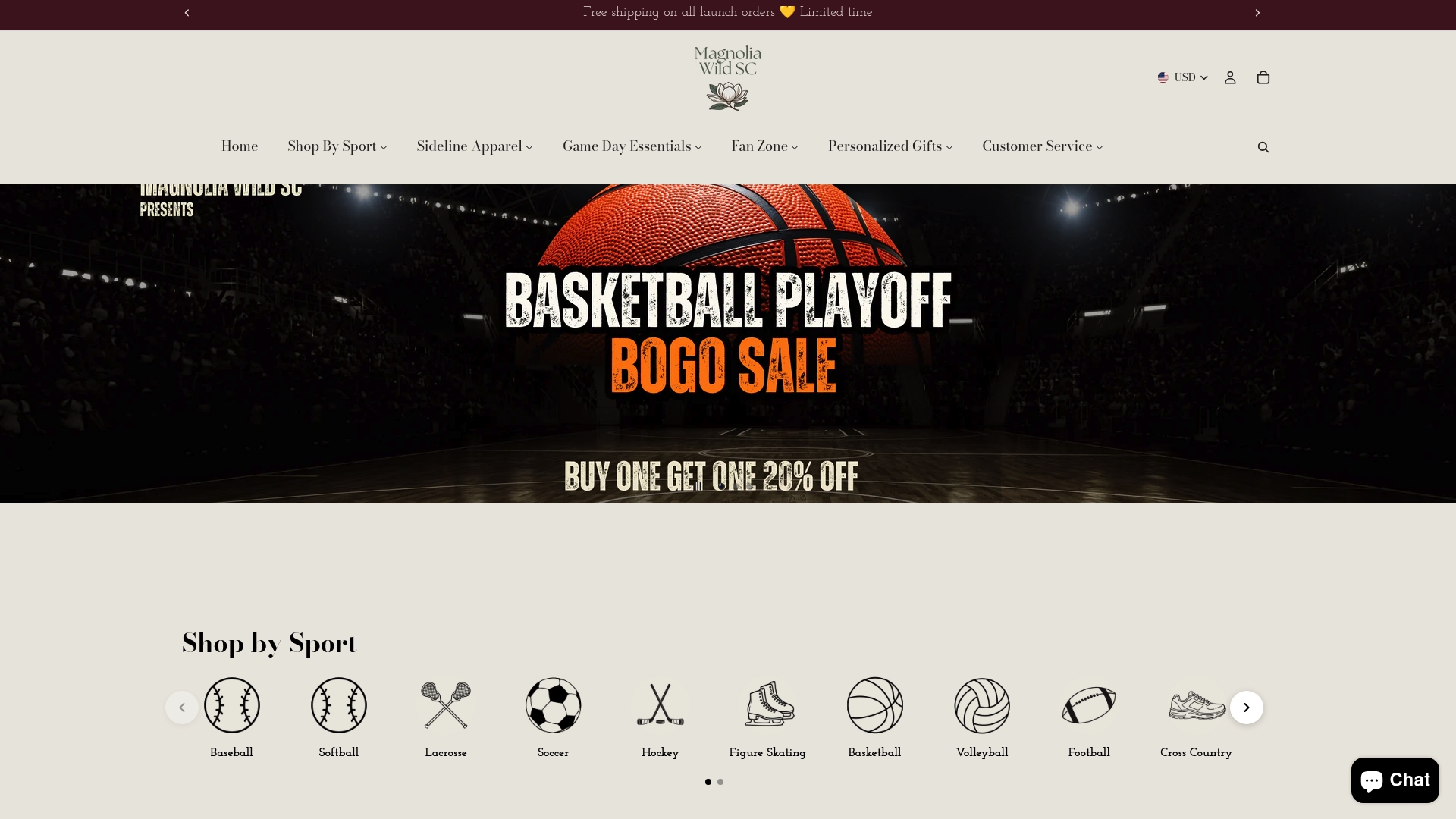
The personalized baseball zippered tote carries a player’s name and team pride to every practice and every game, making it one of those gifts that gets used constantly and never forgotten. For hockey families, the custom hockey blanket with a player’s name, number, and team logo delivers warmth and team spirit in one dependable gift. Every item at Magnolia Wild SC is designed to combine real utility with the kind of personalization that shows you were paying attention.
FAQ
Why do personalized gifts feel more meaningful than generic ones?
Personalized gifts activate brain regions tied to self-identity and self-referential thinking, producing stronger emotional responses. The recipient reads the personalization as evidence that the giver genuinely knows and values them.
What is the keep rate difference between personalized and generic gifts?
Personalized gifts have a 5.4x higher keep rate than generic gifts, according to the 2026 Buyer Intent Survey from Beyond Memories. Recipients hold onto them longer because the customization makes them irreplaceable.
How does personalization affect gift giving when the details are wrong?
Inaccurate personalization, such as a misspelled name or the wrong jersey number, signals carelessness and undermines the gift’s emotional impact. Verifying every detail before ordering is the single most important step in the personalization process.
What types of personalized gifts have the strongest long-term impact?
Functional personalized gifts used daily, like a custom sports tote or an engraved glass, create repeated emotional moments that strengthen relationships over time. Decorative personalized items tend to have a shorter emotional shelf life.
Is a personalized gift always better than a generic one?
Not always. A high-quality generic gift paired with a thoughtful handwritten note often outperforms a low-quality or weakly personalized item. The goal is felt understanding, and a sincere note can communicate that just as effectively as customization.
Recommended
- Personalized Hockey Velveteen Plush Blanket — Custom Name for Players, – Magnolia Wild SC
- Personalized Hockey Parent Tote - Unhinged Survival Zippered Tote – Magnolia Wild SC
- Personalized “My Favorite Football Player Calls Me” T-Shirt – Custom N – Magnolia Wild SC
- Custom Engraved 16oz Pint Glass — Team Logo & Player Signatures – Magnolia Wild SC